A simple guide for first-time travelers in Okinawa
- Conclusion First
- Why This Guide Matters
- Key Things to Know First
- 118 Is Important in Okinawa
- Why 110, 119, and 118 Are Different
- 110: Police
- 119: Ambulance and Fire
- 118: Japan Coast Guard
- Common Situations
- If You Are Not Good at Phone Calls
- What Operators Ask First
- Information You Should Tell
- How Emergency Calls Work in Japan
- FAQ
- Prepare Before Your Trip
- Other Useful Contacts
- Quiet Okinawa Recommendation
- Summary
Conclusion First
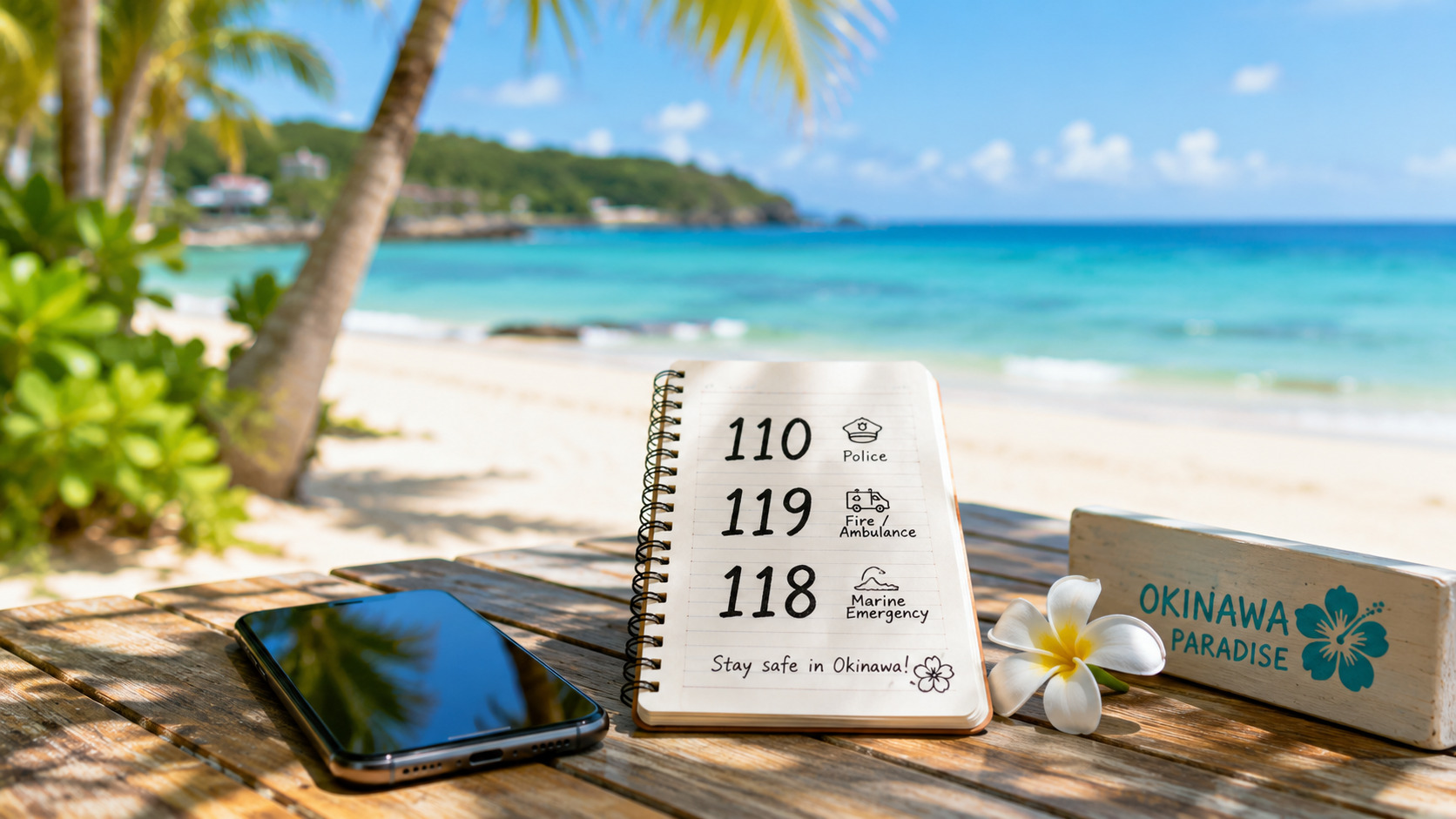
110 = Police / 119 = Ambulance & Fire / 118 = Japan Coast Guard. If you are not sure, call the number you know. The operator will guide you.
Why This Guide Matters
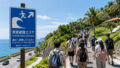
Japan uses different numbers for different emergencies. Many travelers do not know this. In Okinawa, marine activities are common, so 118 is also important.
Key Things to Know First
- You will not get in trouble for calling the wrong number
- Wait until the operator answers. Do not hang up early
- Hotel and airport staff can call 110 or 119 for you
- Simply say, “English, please!” (You may be connected to an interpreter)
118 Is Important in Okinawa
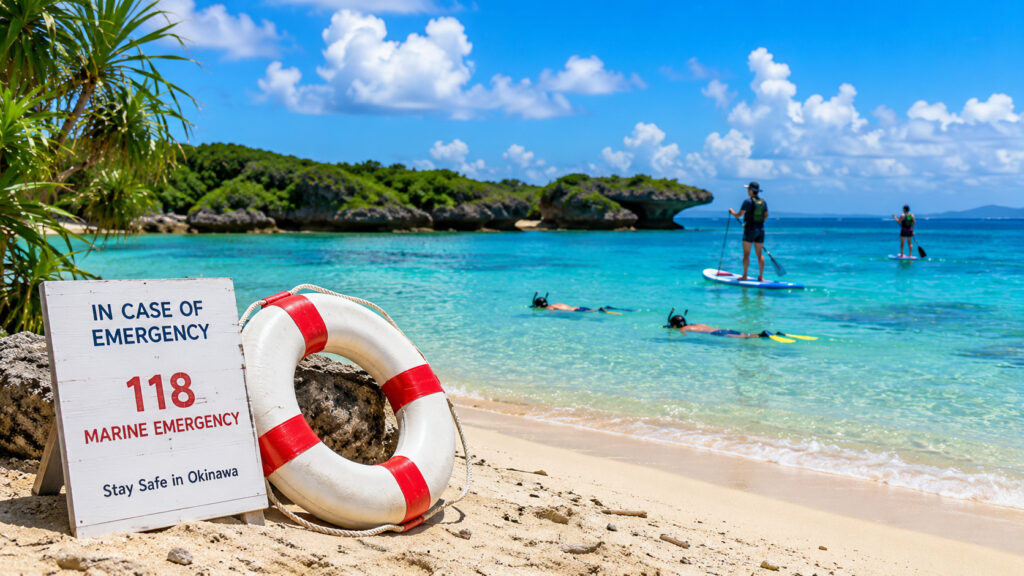
Many visitors enjoy the sea. So remembering 118 will help you stay safe.
Why 110, 119, and 118 Are Different
- Emergency numbers differ by country
- You may panic if you do not know which one to use
- A quick decision can save a life
- Marine accidents are common in Okinawa
110: Police
Conclusion: Call 110 for crime, trouble, or traffic accidents
When to Call 110
- Traffic accidents
- Theft or lost items
- Suspicious people
- Trouble at your hotel or rental car
- Dangerous driving
What 110 Can Do
- Send police officers
- Handle accident reports
- Take lost item reports
- Provide multilingual support (area dependent)
What 110 Cannot Do
- Send an ambulance
- Handle fires
- Give medical advice
119: Ambulance and Fire
Conclusion: Call 119 for injury, sickness, or fire
When to Call 119
- Injury or sickness
- Heatstroke
- Sudden illness in your hotel
- Fire or smoke
- Jellyfish stings
- Someone is drowning
What 119 Can Do
- Send an ambulance
- Send fire trucks
- Provide interpreter support
- Send you to an appropriate medical facility
- Ambulance service is free in emergencies (Medical treatment costs are separate)
What 119 Cannot Do
- Handle theft or lost items
- Handle traffic accident reports
118: Japan Coast Guard
Conclusion: Call 118 for life-threatening emergencies at sea
When to Call 118
- A child is swept away by waves
- You cannot return while snorkeling
- SUP or kayak drifting
- Boat accidents
- Serious emergencies in the water
The Japan Coast Guard will respond depending on the situation. English interpretation may be available when needed.
If You Forget 118
Call 119. They will connect you to the right agency. The most important thing is to call quickly.
Common Situations
Traffic accident with injury
- 119 for injury
- 110 for accident report
Lost wallet
- 110
Sudden illness in your hotel
- 119
Smoke or possible fire
- 119
Suspicious person
- 110
Rental car accident
- 119 if someone is hurt
- 110 for accident report
- Rental car company for insurance support (See our guide on rental cars in Okinawa)
If You Are Not Good at Phone Calls
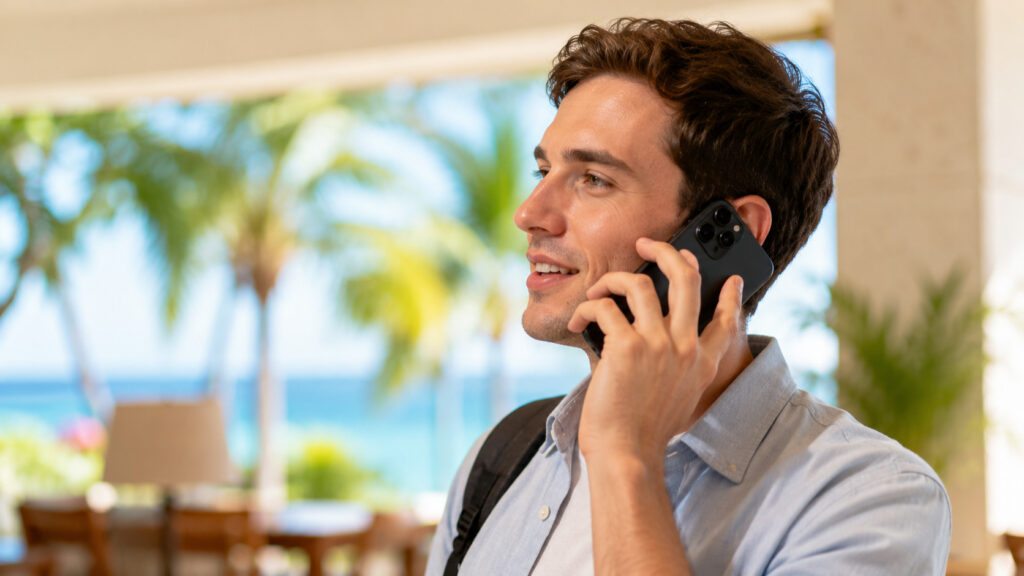
Conclusion: Remember only three words
First Words to Say
Simply say, “English, please!” You may be connected to an English-speaking operator or interpreter.
How to Explain Your Location
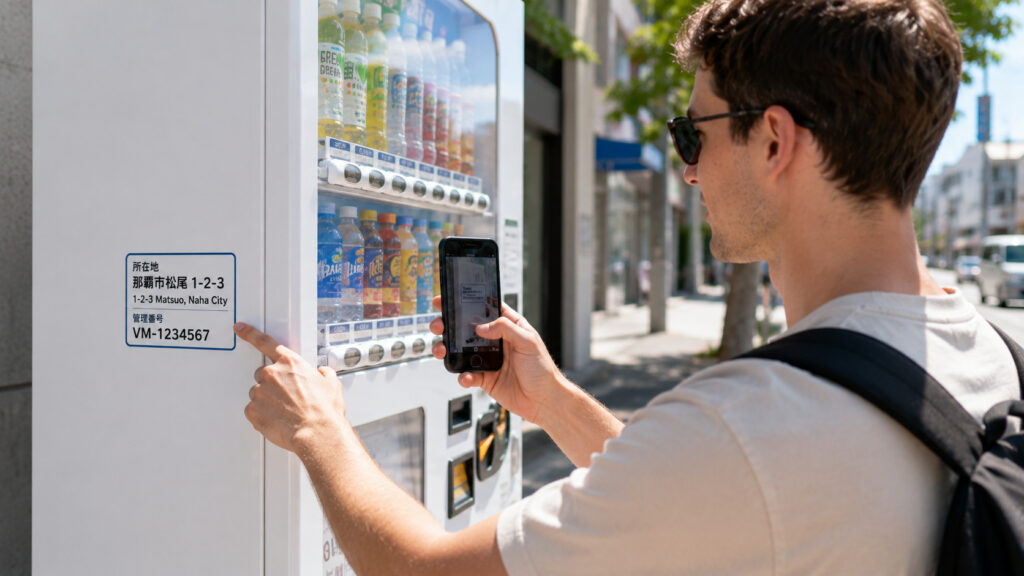
If you do not know the address, use:
- Convenience store name (Lawson, FamilyMart, etc.)
- Hotel name
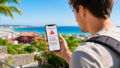
- Show your location on Google Maps (the pin is very helpful)
- Vending machine address label
- Utility pole number
- Intersection name
One clue is enough. The operator will guide you.
What Operators Ask First
110: “Crime or accident?” 119: “Fire or ambulance?”
They may start in Japanese. Stay calm and say “English, please!” Or answer with simple words like “Accident!” or “Ambulance!”
Information You Should Tell
- Your location
- What happened
- If anyone is injured
- Your name and phone number
- That you are a traveler
How Emergency Calls Work in Japan
- Calls are free
- You can call even with a locked phone
- If you call the wrong number, they will still help
- Do not hang up early
- Hotel staff can speak for you
FAQ
Q. Will an ambulance always come if I call 119? A. The operator will check your situation and decide the best response.
Q. What if I call the wrong number? A. Explain your situation. They will guide you.
Q. I cannot speak Japanese. A. Simply say, “English, please.”
Q. Someone is drowning. What should I do? A. Call 118.
Q. The call ended by mistake. What should I do? A. Call again. It is faster than waiting for a callback.
Q. Can I call 110 or 119 without a SIM card? A. It may work depending on your device, but do not waste time if it fails. Ask a nearby local or walk into a shop and say: “HELP, call 119!” (or 110).
Q. My child pressed 110 or 119 by mistake. A. Do not hang up. Say “It was a mistake.”
Prepare Before Your Trip
- Save 110 / 119 / 118 in your phone contacts. It only takes one minute and can save valuable time in an emergency.
- Learn how to show your location on Google Maps. This is very helpful in real emergencies.
Other Useful Contacts
- Japan Visitor Hotline (24 hours, multilingual)
- Okinawa Multilingual Contact Center
- Your hotel front desk
- Your rental car company
Quiet Okinawa Recommendation
You do not need perfect English or Japanese. The most important action is to make the call. Operators and staff will guide you. Save 110, 119, and 118 in your phone. It will help you stay calm in an emergency.
Summary
- 110 = Police
- 119 = Ambulance & Fire
- 118 = Japan Coast Guard
- Simply say, “English, please!”
- Use convenience stores, hotels, or Google Maps to explain your location
- Ask hotel staff for help anytime
Related Guides
👉 Okinawa Travel Guide for First-Time Visitors
👉 Do You Need a Car in Okinawa? (A Local’s Honest Advice)
👉 How Much Time Do You Need in Okinawa?
👉 Why Your Last Day in Okinawa Feels Better With Extra Airport Time
コメント