- A Simple Guide for Tired Drivers
- 1. Signs You Should Take a Break
- 2. Four Types of Break Spots in Okinawa
- 3. Convenience Stores — Best for Quick Breaks
- 4. Roadside Stations — Best for Longer Drives Between Destinations
- 5. Large Supermarkets — Best for Rainy Days and Families
- 6. Small Coastal Parks and Pavilions — Best for Quiet Ocean Breaks
- 7. Places You Should Not Use
- 8. Best Timing for Breaks
- 9. How Long Should You Rest?
- 10. Tips for Families
- 11. Summary
- Related Articles
A Simple Guide for Tired Drivers
Okinawa trips are more enjoyable when you know where to rest.
Driving here can be tiring for many travelers:
- Left‑side driving
- Rental cars
- Strong sunlight
- Traveling with kids
Taking a 10–20 minute break is better than pushing yourself.
Sometimes, skipping one sightseeing spot and taking a short rest gives you a better day.
1. Signs You Should Take a Break
Conclusion: If you feel any of these, take a break soon.
- You check Google Maps many times
- You talk less with your travel partner
- You feel irritated
- You stop enjoying the view
- Your shoulders or neck feel tight
- You make more wrong turns
If one sign matches you, stop for a 10‑minute rest.
In Okinawa, watching your condition is more important than rushing.
2. Four Types of Break Spots in Okinawa
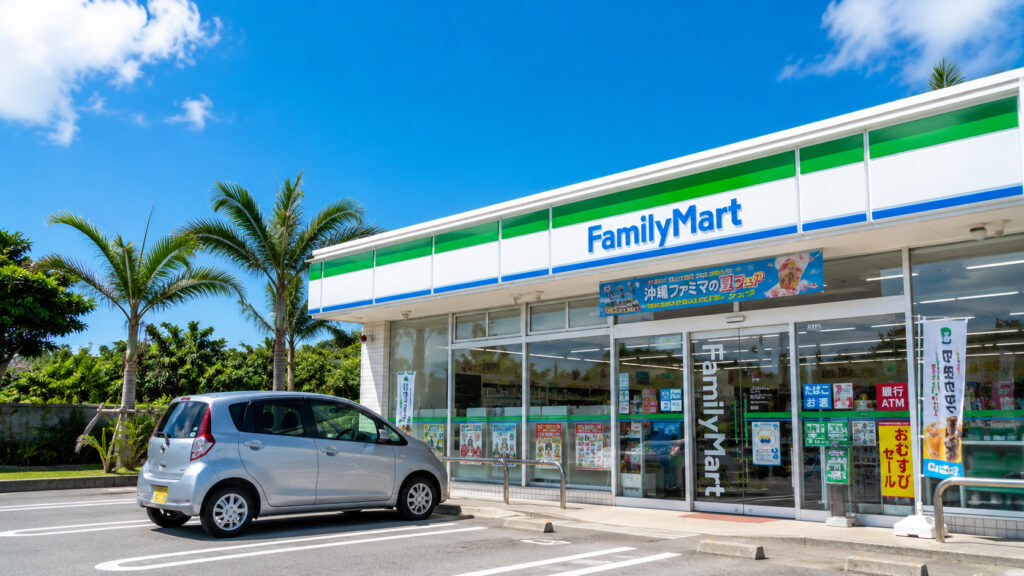
You can rest safely at these four places:
- Convenience stores
- Roadside stations (Michi‑no‑Eki)
- Large supermarkets
- Small coastal parks and pavilions
3. Convenience Stores — Best for Quick Breaks
Conclusion
Convenience stores are the easiest place to rest.
Why
- Clean toilets
- Cold drinks
- Air‑conditioning
- Parking spaces
FamilyMart is the most common in Okinawa.
Related:Useful items to buy before a northern Okinawa drive
4. Roadside Stations — Best for Longer Drives Between Destinations
Conclusion
Great for longer drives between sightseeing spots.
Why
- Large parking
- Clean toilets
- Local snacks and souvenirs
- Local travel information
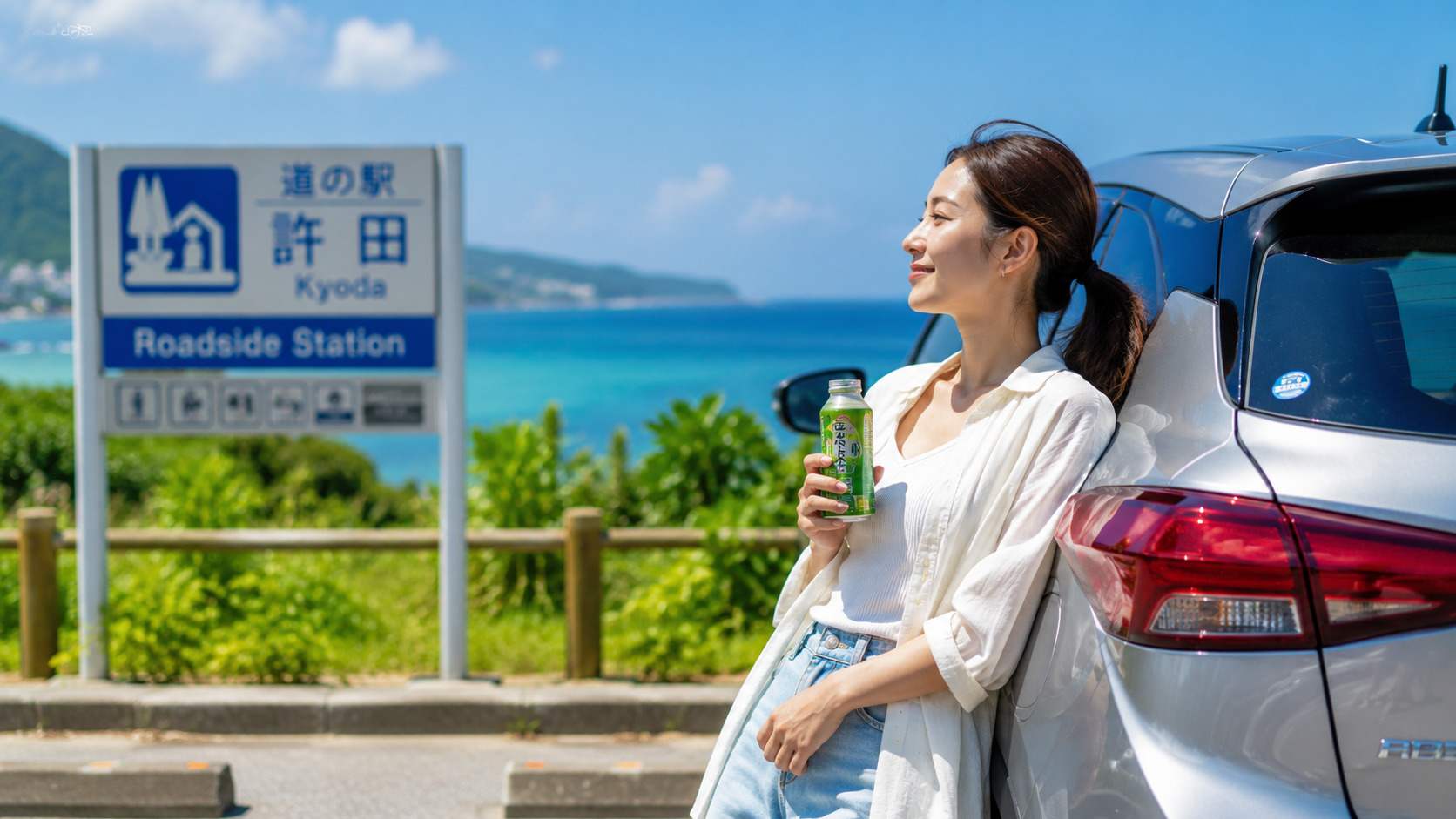
Roadside Station Kyoda in Nago is a popular stop.
5. Large Supermarkets — Best for Rainy Days and Families
Conclusion
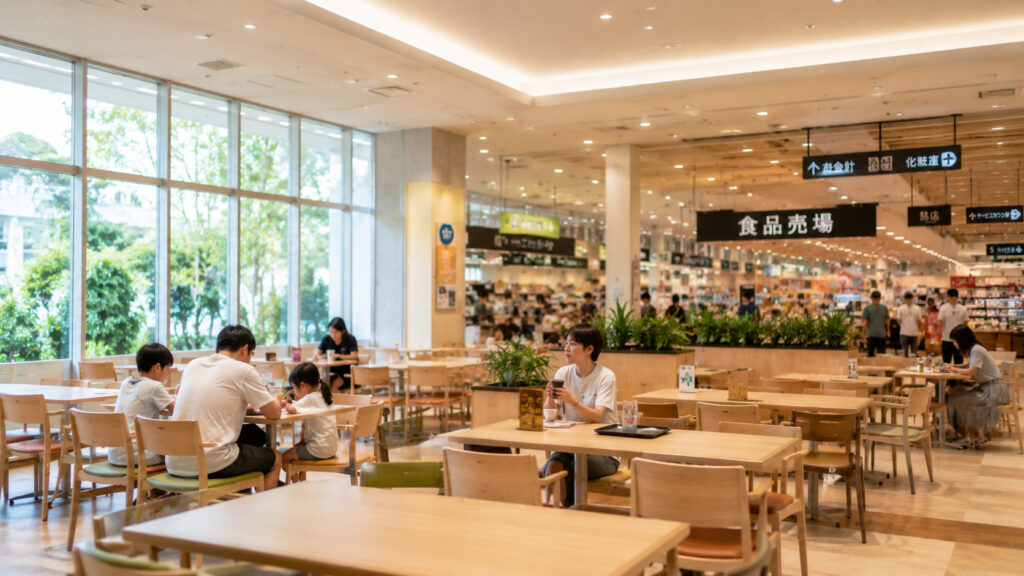
Supermarkets are comfortable places to rest.
Why
- Food court
- Air‑conditioning
- Toilets
- Many seats
Aeon and San‑A are easy to find.
Related:Best places to stop and buy supplies in Nago City
6. Small Coastal Parks and Pavilions — Best for Quiet Ocean Breaks
Conclusion
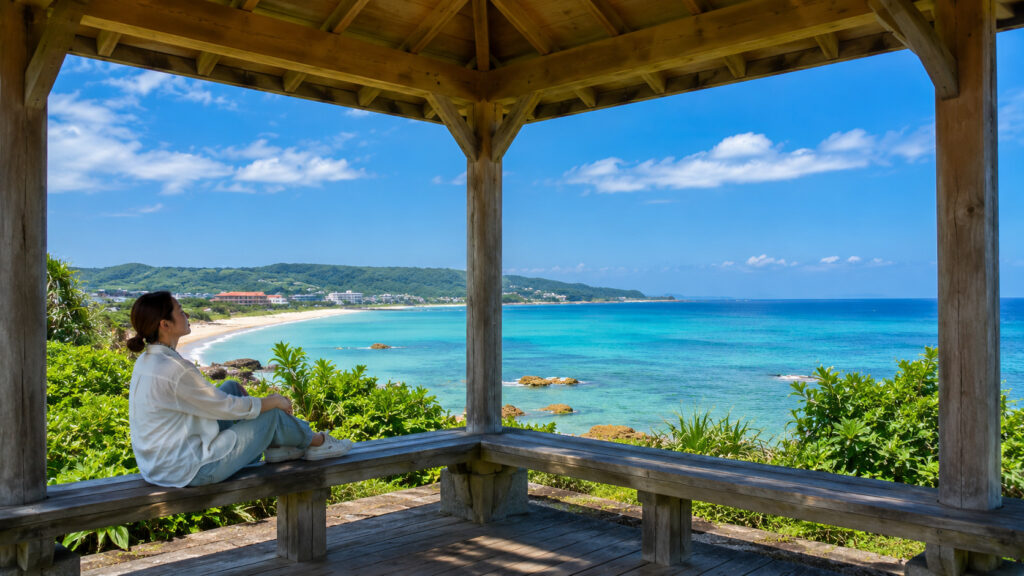
Good for people who want a calm and quiet rest.
Why
- Ocean breeze
- Benches
- Few people
- Quieter than convenience stores
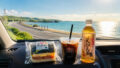
You can find a few small roadside pavilions between Onna and Nago.
Even a few minutes with an ocean view can refresh your mind.
7. Places You Should Not Use
Do not use hotel parking lots.
- For hotel guests only
- Security staff may ask you to leave
- Not a public rest area
8. Best Timing for Breaks
Conclusion
Plan at least one break on long routes.
- Naha → Nago: one break
- Nago → Cape Hedo: one break
- With kids: break every hour
- If you feel tired, rest anytime, even if it is not planned
- Do not wait until you feel exhausted.
Related:Safe driving time and distance for one day in Okinawa
9. How Long Should You Rest?
Conclusion
Short breaks work well.
- 10 minutes: good for quick recovery
- 20–30 minutes: best when you feel sleepy
- Recline your seat a little and close your eyes for better recovery
10. Tips for Families
Conclusion
Kids get tired faster than adults.
- They need more bathroom breaks
- They get sleepy earlier
Take breaks before your child says “I need the toilet.”
11. Summary
- Breaks are not a waste of time
- Driving while tired can make your trip less enjoyable
- Resting often makes your Okinawa trip safer and more enjoyable
🌟 Pro Tip
Sometimes, the quiet 10 minutes you spend doing nothing becomes the best memory of your whole trip.

コメント