Important Things First-Time Travelers Should Know (2026)
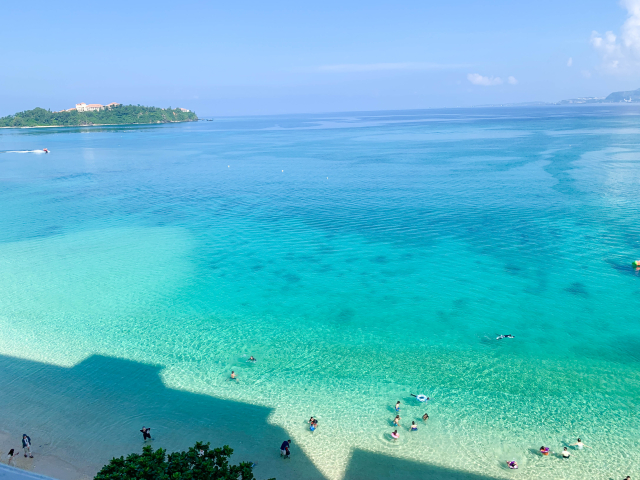
Okinawa is a safe and beautiful place in Japan. Many travelers enjoy their trip without any major problems.
But Okinawa has some unique risks that are different from mainland Japan.
For example:
- Ocean dangers
- Typhoons
- Strong sunlight
- Long driving distances
- Dark roads at night
This guide explains these points in simple English from a local resident’s view.
1. Safety in Okinawa

Conclusion: Okinawa is very safe, but nightlife areas need attention. Reason: Crime is low, but some places change late at night. Detail: Use basic travel safety and you will be fine.
What is safe
- Few pickpockets
- Few aggressive street sellers
- Few crimes targeting tourists
- Friendly local people
Where to be careful
- Naha Matsuyama nightlife area
- Back streets late at night
- Quiet alleys
- Rental car theft happens → lock your car and carry valuables
Tips for solo travelers
- Avoid walking alone late at night
- Do not drink too much
- Stay on main streets
- Use a taxi if you feel unsure
Okinawa nightlife feels different
You may see drunk people sleeping on the street in Naha. It looks relaxed, but travelers should avoid heavy drinking.
Drunk driving is strictly illegal in Japan. Be extra careful if you rent a car.
Areas with American culture
Chatan and Okinawa City have a strong American influence. Bars and music make the area lively at night. It is not dangerous, but the atmosphere is more adult.
2. Beach Safety
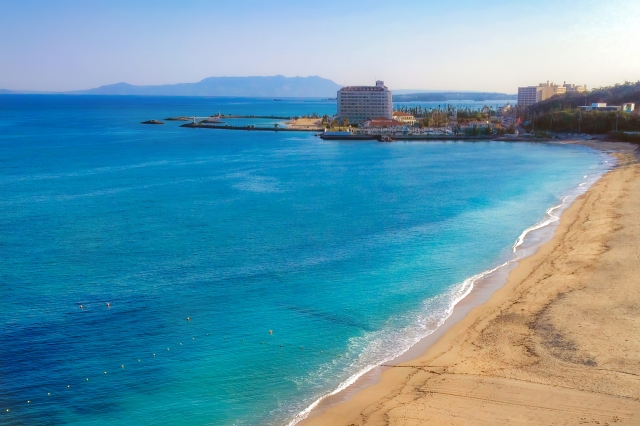
Conclusion: Okinawa beaches are beautiful, but calm water can still be dangerous. Reason: Strong currents and jellyfish exist even when the sea looks peaceful. Detail: Choose safe beaches and follow the rules.
What to watch out for
- Rip currents
- No-swimming areas
- Beaches without lifeguards
- Box jellyfish (summer–autumn)
- Cuts from coral and rocks
My own experience with a jellyfish
When I was a child, I was stung by a box jellyfish. My shoulder became very red and swollen. The pain was strong and did not stop quickly. Vinegar helped, but not immediately.
Dangerous sea animals
- Lionfish
- Stonefish
They look beautiful, but do not touch them.
How to stay safe
- Choose beaches with lifeguards
- Stay inside the swimming area
- Do not swim in bad weather
- Do not enter the sea at night
Strong sunlight is also dangerous
Okinawa UV is very strong. You can burn in a short time.
Local people often:
- Go to the beach in the late afternoon
- Play in shallow water with a T-shirt
Travelers should bring:
- A hat
- Water
- Sunscreen
- A rash guard
3. Typhoon Safety
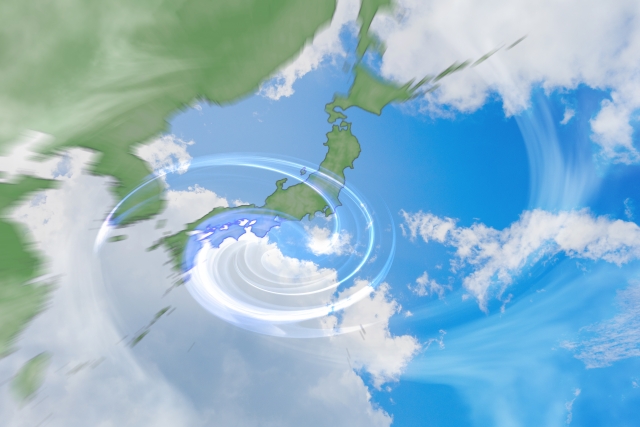
Conclusion: Typhoons can strongly affect your trip. Reason: Okinawa typhoons are often stronger than mainland Japan. Detail: Always check the latest weather news.
Typhoon season
July to October.
What happens during a typhoon
- Flight cancellations
- Ferry cancellations
- Rough sea
- Shops closing early
- Dangerous winds
Never do these things
- Do not go to the beach to “see big waves”
- Do not walk outside in strong wind
- Do not drive along the coast
Every year, accidents happen during typhoons.
What to do during a typhoon
- Buy food and water early
- Stay inside your hotel
- Check the news often
4. Heat and Sun Safety
Conclusion: Okinawa heat is stronger than most travelers expect. Reason: High temperature, strong sun, and humidity. Detail: Heatstroke happens often.
How to stay safe
- Drink water often
- Rest in the shade
- Wear a hat
- Do not walk too long
- Take salt when needed
Local lifestyle
Local people avoid going outside at noon.
I also experienced heatstroke before. My body suddenly became weak and I could not move. Do not push yourself too hard.
Local Tip: Vending Machines
You can find vending machines almost everywhere in Okinawa, even in small villages. If you run out of water, do not worry. Always carry some 100‑yen coins.
Smart travel plan
- Visit indoor spots during the day
- Go sightseeing in the evening
Indoor options:
- Churaumi Aquarium
- Shopping malls
- Cafés
5. Night Streets
Conclusion: Some roads in Okinawa are very dark at night. Reason: Many areas have few streetlights. Detail: Choose bright roads for safety.
Dark areas
- Coastal roads
- Northern Okinawa
- Small village areas
Night safety tips
- Use bright streets
- Do not walk alone in dark places
- Watch your step
- Stay away from dark beaches
Wild animals may appear on the road in the north. Drive carefully at night.
6. Driving in Okinawa
Conclusion: Driving in Okinawa is more tiring than many travelers expect. Reason: Long distances, traffic, and sudden weather changes. Detail: Plan your route and drive slowly.
Common problems
- Heavy traffic
- Many traffic lights
- Hard-to-see road signs
- Missing turns because the road looks different from the map
- Long distance to the north
- Sudden heavy rain
- Weak signal in northern areas
Rainy roads are slippery
Okinawa roads contain limestone. Limestone becomes very slick when wet. So always slow down when it starts to rain.
Safe driving tips
- Do not plan too many places in one day
- Check your route before driving
- Download offline maps
- Use both car navigation and your phone
- Drive slowly on rainy days
Parking in Naha
- Japanese only
- Cash only
- Complicated systems
Sometimes traveling without a car is easier in Naha.
👉 Related: Okinawa Car Rental Guide
👉 Related: How to Get Internet in Okinawa
7. Emergency Contacts in Okinawa
Police / Accidents 110
Ambulance / Fire 119
Ocean accidents (Coast Guard) 118
Medical advice (24 hours) #7119
JNTO Multilingual Support (24 hours) 050-3816-2787
Okinawa Multilingual Contact Center English / Chinese / Korean / Thai
- English: 0570-077201
- Chinese: 0570-077202
- Korean: 0570-077203
- Thai: 0570-077207
Medical Interpreter Call Center (24 hours, 16 languages) 0570-050-235
Conclusion
Okinawa is a safe and beautiful place. But it has unique risks:
- Ocean
- Typhoons
- Heat
- Dark roads
- Driving
Do not plan too many activities in one day. Move slowly and enjoy Okinawa time.
Related Guides
👉 Okinawa Travel Guide for First-Time Visitors
👉 8 Things First-Time Travelers Regret in Okinawa
👉 Small Local Tips That Make Okinawa Easier
👉 How to Adjust Your Okinawa Trip When the Weather Changes
👉 Can You Use Your Home Appliances in Japan?
👉 Renting a Car in Okinawa: Complete Guide for First-Time Travelers

コメント